Visiting a Honey Farm: What to Expect and How to Find One Near You
Honey farm visits are the best way to find a local producer you trust. Here's what a typical tour looks like, when to go, and what to ask.
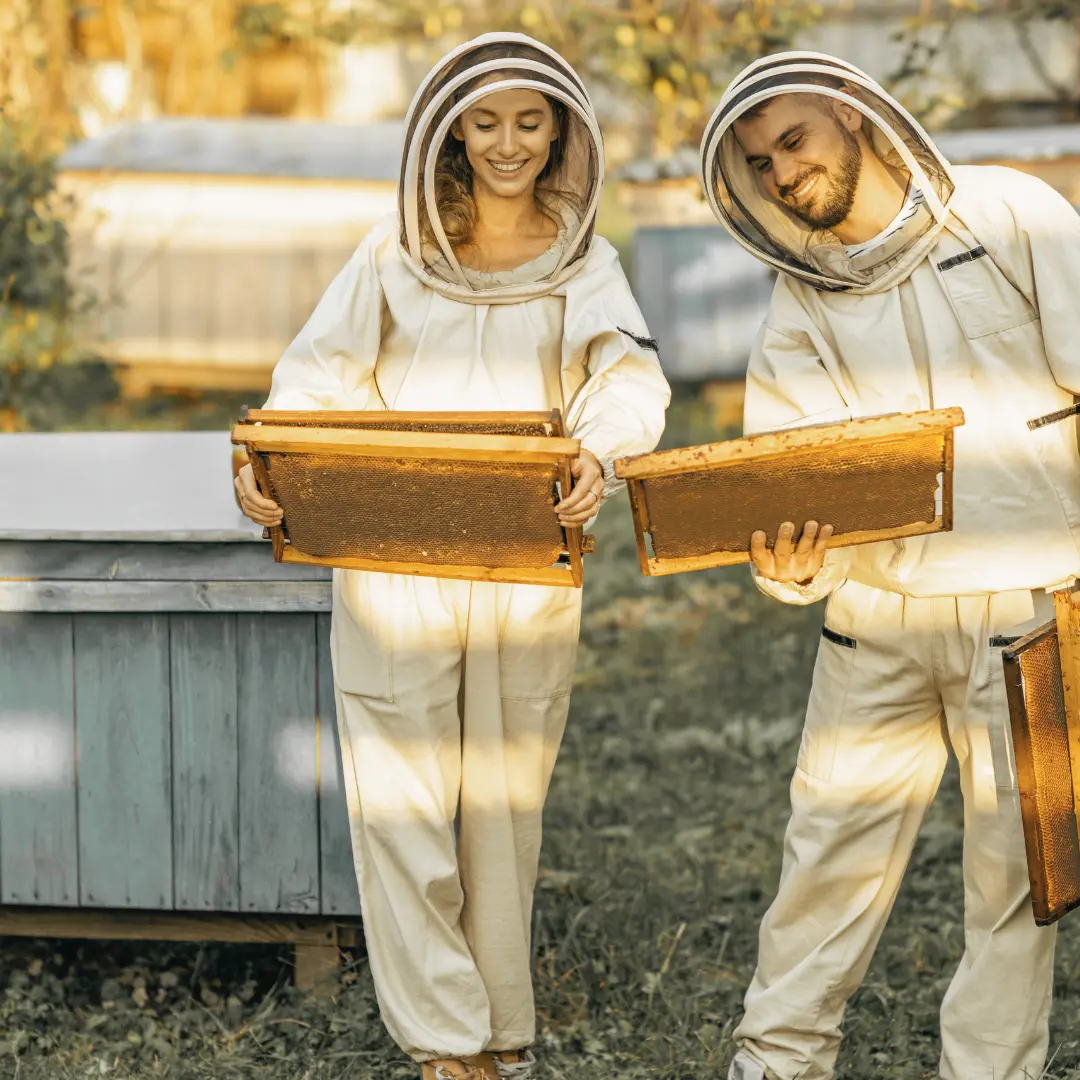
There's a moment during a honey farm visit, usually when the beekeeper pulls a frame from the hive and you see thousands of bees calmly working the comb three feet from your face, when the jar of honey you've been casually buying at the store stops being an abstract product and becomes something specific, alive, and frankly impressive. That shift changes how you buy honey permanently. Once you've watched a beekeeper work their hives and tasted honey straight from the frame, the grocery store bear bottle loses its appeal for good.
If you've been searching for a honey farm near you or wondering whether an apiary visit is worth the drive, the short answer is yes. Here's what to expect.
What a typical honey farm visit looks like
No two apiaries run their visitor experience the same way, but most follow a similar pattern. You'll usually start with a brief orientation: the beekeeper explains the layout of the property, goes over basic safety (don't swat at bees, move slowly, wear closed-toe shoes), and hands out any protective gear if the visit includes a hive inspection.
At smaller operations, the tour might be informal: the beekeeper walks you out to the hive yard, opens a hive, and talks you through what you're seeing. They'll pull frames and show you brood cells where larvae are developing, capped honey cells ready for harvest, and maybe the queen if she's visible and cooperating. Watching bees build comb, feed larvae, and process nectar in real time is genuinely captivating, even if you've never had any particular interest in insects.
Larger bee farms and dedicated agritourism operations often add more structure: a dedicated observation hive behind glass, an extraction room where you can watch the centrifuge spin, a tasting station with three or four varietals set out for comparison. Some offer workshops on topics like candle making, hive building, or beekeeping basics. A few run full beekeeping experiences where you suit up and work the hive alongside the beekeeper.
Almost every honey farm visit ends at a sales table. This is where the beekeeper makes their money from visitors, and the selection is usually better than what they bring to a farmers market: a wider range of jar sizes, seasonal varietals that sold out at market, comb honey cut to order, and hive products like beeswax candles, propolis tinctures, lip balm, and pollen. Buying directly at the source also tends to be slightly cheaper than market pricing, since the beekeeper saves the booth fee and travel time. Find honey farms you can visit in your state.
When to visit a bee farm
Timing matters. Bees are seasonal creatures, and the activity level of a hive changes dramatically throughout the year. The best window for visiting a honey farm is late spring through early fall, roughly May through September in most of the US, with some regional variation.
Late spring (May and June) is when colonies are growing fast. The queen is laying heavily, foragers are bringing in nectar from the first major blooms, and the hive is humming with energy. This is the most dynamic time to watch bees work, and it's when you're most likely to see a beekeeper actively managing hives: adding supers (the boxes where bees store surplus honey), checking for swarm cells, and monitoring colony health.
Mid to late summer (July and August) is harvest season. If you time your visit right, you can watch the extraction process: frames pulled from hives, wax caps sliced off, honey spun out in the centrifuge, and fresh honey flowing into a tank for bottling. Some farms schedule specific harvest day events for visitors. This is also the best time for tasting, because the beekeeper may have multiple seasonal batches available at once, a lighter spring honey alongside a darker, richer summer pull.
Early fall works too, though activity starts to wind down. Bees are preparing for winter, and the beekeeper is consolidating hives. There's usually plenty of honey for sale, but the hives themselves are less visually active. Winter visits are possible at some operations but are less rewarding: the bees are clustered inside the hive to conserve warmth, so there's nothing to see in the yard.
What to ask the beekeeper
A good beekeeper will talk your ear off without much prompting, but having a few questions in mind helps focus the conversation on what matters most to you as a buyer.
Start with the hives. How many colonies do they manage? Where are the hives located: on this property, or spread across multiple sites? Beekeepers who move hives to different locations for different blooms can explain how placement affects the varietal character of the honey. A beekeeper with hives on a property surrounded by clover pasture makes different honey than one with hives along a wooded ridgeline full of tulip poplar and black locust.
Ask about their practices. Do they treat their hives with miticides for varroa mites, or do they use integrated pest management? Do they feed their bees sugar syrup during dearth periods, or do they leave enough honey for the colony to winter on? These aren't gotcha questions: beekeepers have strong and well-reasoned opinions on both sides of these debates, and hearing their perspective gives you insight into how they run their operation.
Ask about the honey itself. Is it raw? How is it extracted and filtered? What flowers are the bees working this season? When was the most recent harvest? A beekeeper standing in their own yard will answer all of these with a specificity and enthusiasm that makes grocery store labels feel absurd by comparison. Learn about different honey varietals.
And ask what's in season. Honey varies throughout the year, and a beekeeper who has been working the same land for years knows exactly how the flavor shifts month by month. They can tell you that the May honey is lighter and more floral because the bees were on clover and blackberry, while the August honey is darker because they transitioned to goldenrod and sourwood. That kind of knowledge is the whole reason to visit.
What to bring and how to prepare
Visiting a bee farm requires very little preparation, but a few things will make the experience better.
Wear light-colored clothing. Bees evolved to be defensive against dark-furred predators like bears and skunks, so dark clothing can make them slightly more alert around you. Light colors (white, beige, pale blue) are less likely to attract attention. Avoid loose, flowing fabrics like scarves that bees could get tangled in, and skip the perfume or cologne. Strong floral scents confuse forager bees.
Closed-toe shoes are non-negotiable if you're going anywhere near the hives. Bee yards are often in grass or uneven ground, and you don't want exposed feet if a bee lands near your toes.
Bring cash. Many small apiaries don't process cards, and you're going to want to buy honey. Bringing a cooler in the car is smart too: honey doesn't need refrigeration, but if you're buying comb honey or other hive products in summer heat, keeping them from softening in a hot car on the drive home is worth thinking about.
If you're bringing kids, call ahead. Most bee farms welcome families and children love the experience, but the beekeeper needs to know in advance so they can plan appropriately. Many operations set a minimum age for hive-side visits (usually around six or seven) and offer observation-only alternatives for younger children.
How to find a honey farm or apiary near you
Searching online for a honey farm near you will give you some results, but the listings are often incomplete. Many small beekeeping operations don't have a web presence beyond a Facebook page or an Instagram account, and search results tend to favor larger commercial operations over backyard apiaries.
State and county beekeeping associations are one of the best resources. Nearly every state has an active association, and most maintain directories of members who sell honey, many of whom welcome visitors by appointment. Calling the association directly and asking for recommendations is often even more productive than using the website.
Local honey directories that aggregate producer information are another strong option. Platforms that include details about whether a location is visitable, what products they carry, and what previous visitors have said can save you the guesswork of showing up somewhere and finding a locked gate. Browse honey farms and apiaries you can visit.
Farmers markets are also a good starting point, but in reverse: if you meet a beekeeper at a market and like their product, ask if you can visit the farm. Many beekeepers are happy to arrange a visit for interested customers, even if they don't formally advertise tours. The market becomes the introduction, and the farm visit deepens the relationship.
Social media, particularly Instagram and Facebook groups focused on local food or homesteading, can surface apiaries that aren't listed anywhere else. Searching for "beekeeper" plus your county or city name often turns up small producers who post photos of their hives and announce when they're open for visits or sales. Find local beekeepers in your state.
The effort is worth it. A single afternoon at a bee farm teaches you more about honey than a year of reading labels, and you leave with jars that carry a specific memory: this beekeeper, this hive yard, this afternoon in June. That connection is what turns a casual honey buyer into someone who seeks out local honey for the rest of their life.