
Hot Honey: What It Is, Why It's Everywhere, and How to Make Your Own
Hot honey went from a Brooklyn pizza secret to a $1.5 billion category. Here's the story, why local versions are worth seeking out, and how to make it at home.
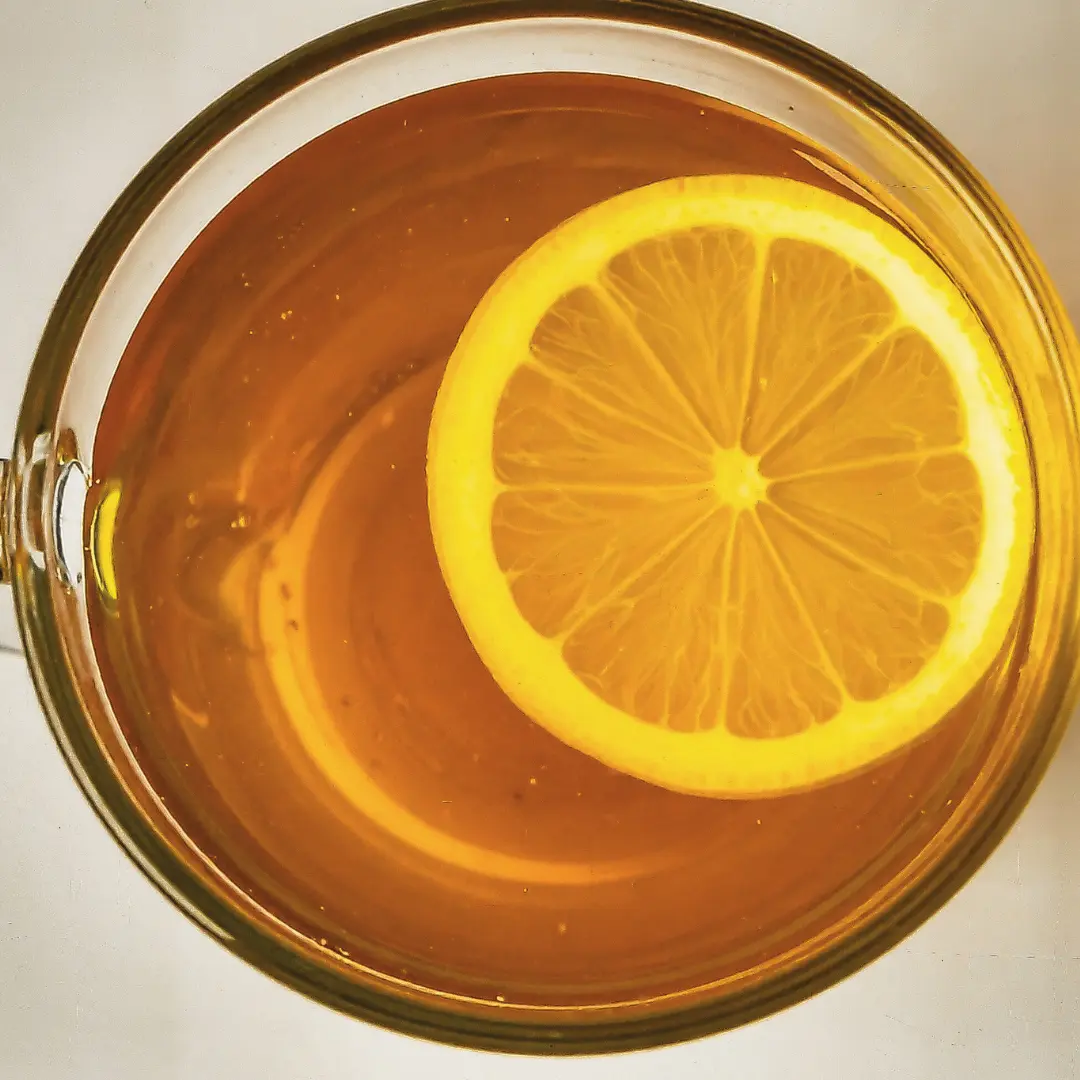
Hot honey (honey infused with chili peppers) has gone from a niche condiment drizzled on pizza at a single Brooklyn restaurant to a category valued at roughly $1.5 billion, with industry forecasts projecting growth to $4.3 billion by 2033. Honey is now the number-one menued sauce in the US with nearly 60% penetration across restaurants, and the spicy-sweet combination is a significant driver of that growth. The speed of this shift has been remarkable: a product that barely existed commercially ten years ago is now in every major grocery store and on menus nationwide. But the most interesting versions of hot honey aren't the mass-market bottles. They're the small-batch ones made by local beekeepers using their own raw honey and locally grown peppers, and they taste noticeably different from what you'll find on a chain store shelf.
How hot honey became a mainstream condiment
The origin story traces back to Mike Kurtz, a beekeeper's son who started drizzling chili-infused honey on pizza while working at a pizzeria in Brooklyn around 2010. He bottled it, called it Mike's Hot Honey, and started selling it at the restaurant and at local markets. The product caught on slowly and then very quickly: by 2024, Mike's Hot Honey was projecting roughly $40 million in annual revenue and had captured approximately 2.5% of the entire billion-dollar retail honey market.
The broader trend it kicked off (sometimes called "swicy," sweet plus spicy) reshaped how restaurants and consumers think about honey as a condiment. Hot honey became the default pairing for fried chicken sandwiches, then spread to pizza, boneless wings, biscuits, charcuterie boards, cocktails, and salad dressings. Chain restaurants adopted it. Grocery stores created dedicated shelf space. Competing brands proliferated.
What makes the category interesting from a local honey perspective is that hot honey is fundamentally a value-added product: it starts with honey, and the quality of that base honey matters. A mass-produced hot honey built on cheap, imported, ultra-filtered honey has a one-dimensional sweetness spiked with heat. A hot honey made with raw, single-source local honey retains the floral complexity and character of the base product, adding a layered experience where you taste the honey first and the heat arrives after.
What local beekeepers are doing with hot honey
The hot honey trend has been a genuine revenue opportunity for small producers. Beekeepers who previously sold only liquid honey and maybe some comb are now producing infused varieties, and hot honey is by far the most popular. Find local sellers offering hot honey and infused varieties.
The craft approach varies. Some beekeepers steep whole dried chilies in warm honey for days or weeks and then strain them out, producing a clean infusion with consistent heat. Others blend ground chili flakes directly into the honey, leaving visible pepper specks that provide bursts of more concentrated spice. A few use fresh peppers, which introduces moisture and limits shelf life but produces a brighter, more peppery flavor. The pepper choice itself is a creative decision: habanero is the most common for its fruity heat, but local producers work with ghost peppers, cayenne, Thai chilies, chipotles, and regional varieties that add their own character.
The best local hot honeys lean into the pairing between a specific honey varietal and a specific pepper. A dark buckwheat honey with smoky chipotle plays differently than a light wildflower with habanero. A sourwood base with cayenne is something else entirely. These aren't interchangeable products: the base honey shapes the experience as much as the pepper does, and that's where small-batch production has an advantage over the national brands. A local beekeeper controlling both variables can create combinations that a company blending commodity honey with standardized chili extract can't replicate.
Some producers go further, adding complementary ingredients: garlic, rosemary, smoked salt, vinegar, citrus zest. At that point you're in flavored honey territory more broadly, but hot honey remains the gateway product that draws the most consumer interest and drives the most sales.
How to use hot honey (beyond pizza)
Hot honey's initial association with pizza is well earned: the combination of sweet heat with melted cheese, cured meat, and a slightly charred crust is genuinely exceptional. But limiting it to pizza undersells the product.
On fried chicken, hot honey is now standard for a reason. The sweetness cuts through the fat and salt of the breading while the heat adds a slow-building warmth that layers onto the flavor rather than masking it. Drizzle it on a fried chicken sandwich, on boneless wings, or directly on a piece of fried dark meat.
On cheese and charcuterie boards, hot honey works like a more interesting version of regular honey: the heat creates a counterpoint to rich, fatty cheeses like brie, blue, and aged gouda. A small dish of hot honey on a board gives guests something to react to, which makes it a conversation piece as much as a condiment.
On biscuits, cornbread, and warm bread, hot honey bridges the sweet and savory gap. It's particularly good on buttered cornbread, where the butter-sweet-spicy combination is something plain honey doesn't replicate.
In drinks, hot honey works as a cocktail sweetener: a hot honey whiskey sour, a hot honey margarita, or simply stirred into warm lemon water as a cold-weather drink. The heat adds dimension without requiring a separate ingredient.
On roasted vegetables (particularly root vegetables, Brussels sprouts, and sweet potatoes) a drizzle of hot honey during the last few minutes of roasting creates a glaze that caramelizes and crisps in the oven. On grilled stone fruit, it's an unexpectedly good pairing in summer. Once a bottle of hot honey enters your kitchen, it tends to end up on everything.
How to make hot honey at home with local raw honey
Making your own hot honey is simple, requires two ingredients, and produces a better product than most of what you'll find on a shelf, because you're starting with good honey.
Start with a jar of raw local honey. The varietal matters. A mild wildflower or clover makes a clean, all-purpose hot honey where the heat is the star. A darker honey like buckwheat or goldenrod creates something richer and more complex, where the honey and the pepper share the stage. A guide to honey varietals and their flavors.
Choose your pepper. Dried chili flakes are the easiest starting point: red pepper flakes from the spice aisle work, but crushed dried habanero, cayenne, or gochugaru (Korean chili flakes) give you more control over the heat profile and flavor. Start with about one tablespoon of dried chili flakes per cup of honey. You can always add more heat later.
Warm the honey gently. Pour it into a small saucepan and heat it over the lowest possible flame until it's thin and pourable, around 100-110°F. You're not cooking the honey: you're just warming it enough for the pepper oils and capsaicin to infuse effectively. If you're working with raw honey and want to keep it raw, don't exceed 118°F. A candy thermometer or instant-read thermometer is helpful here.
Add the chili flakes to the warm honey and stir. Remove from heat. Let the mixture sit for at least 10 to 15 minutes. Taste it. If you want more heat, add more flakes and let it sit longer: some people infuse for up to an hour. When the heat level is where you want it, strain the flakes out through a fine mesh sieve for a clean, smooth hot honey, or leave them in for a chunkier texture with occasional bursts of concentrated spice.
Pour the finished hot honey back into a jar. It keeps at room temperature for months, just like regular honey. The heat may mellow very slightly over time, and the flavors tend to marry and round out after a day or two of resting. It also makes a reliably impressive homemade gift: a small jar of local hot honey with a handwritten label communicates more thought than almost anything else you can put together in half an hour.
Why the local version is worth seeking out
Mass-market hot honey is fine. It's accessible, consistent, and it got millions of people interested in a product category that didn't exist a decade ago. But if you've had the national brand and want to understand what the fuss is really about, try a small-batch version made by a local beekeeper with their own honey.
The flavor depth is different. Raw, unprocessed local honey brings a complexity to the base that pasteurized commodity honey doesn't. You get floral notes, seasonal character, and a viscosity that feels richer on the tongue. The pepper work tends to be more intentional too: a beekeeper infusing 50 jars at a time is tasting and adjusting in a way that a factory line producing thousands of bottles is not.
Many beekeepers who make hot honey also sell the base varietal by itself, which means you can taste the honey before and after the pepper infusion and appreciate what each component contributes. That kind of tasting is only possible when you know the producer. Find local honey producers near you.
Hot honey isn't a fad. The growth numbers, the restaurant adoption, and the consumer interest all point to a product category that's establishing itself permanently. And the best versions of it, like the best versions of any food product, will always come from producers who care about both ingredients: the honey and the heat.