
Buckwheat Honey: The Dark Horse of the Honey World
Buckwheat honey is nearly black, intensely flavored, and backed by real cough-suppression research. Here's why it's worth trying and where to find it.
Most people who think they know what honey tastes like have never tried buckwheat honey. It's almost black. It's thick, with a viscosity closer to molasses than to the golden liquid most Americans picture when they hear the word "honey." The flavor is malty, earthy, and assertive: somewhere between dark brown sugar, damp soil, and a stout beer. It has more in common with a robust maple syrup than with the mild clover honey in the plastic bear on your counter. Buckwheat honey polarizes people. Some taste it and recoil. Others taste it and become borderline obsessive. If you've been buying the same mild honey for years and wondering what the fuss about varietals is, buckwheat is the jar that will change your mind.
Why buckwheat honey looks and tastes the way it does
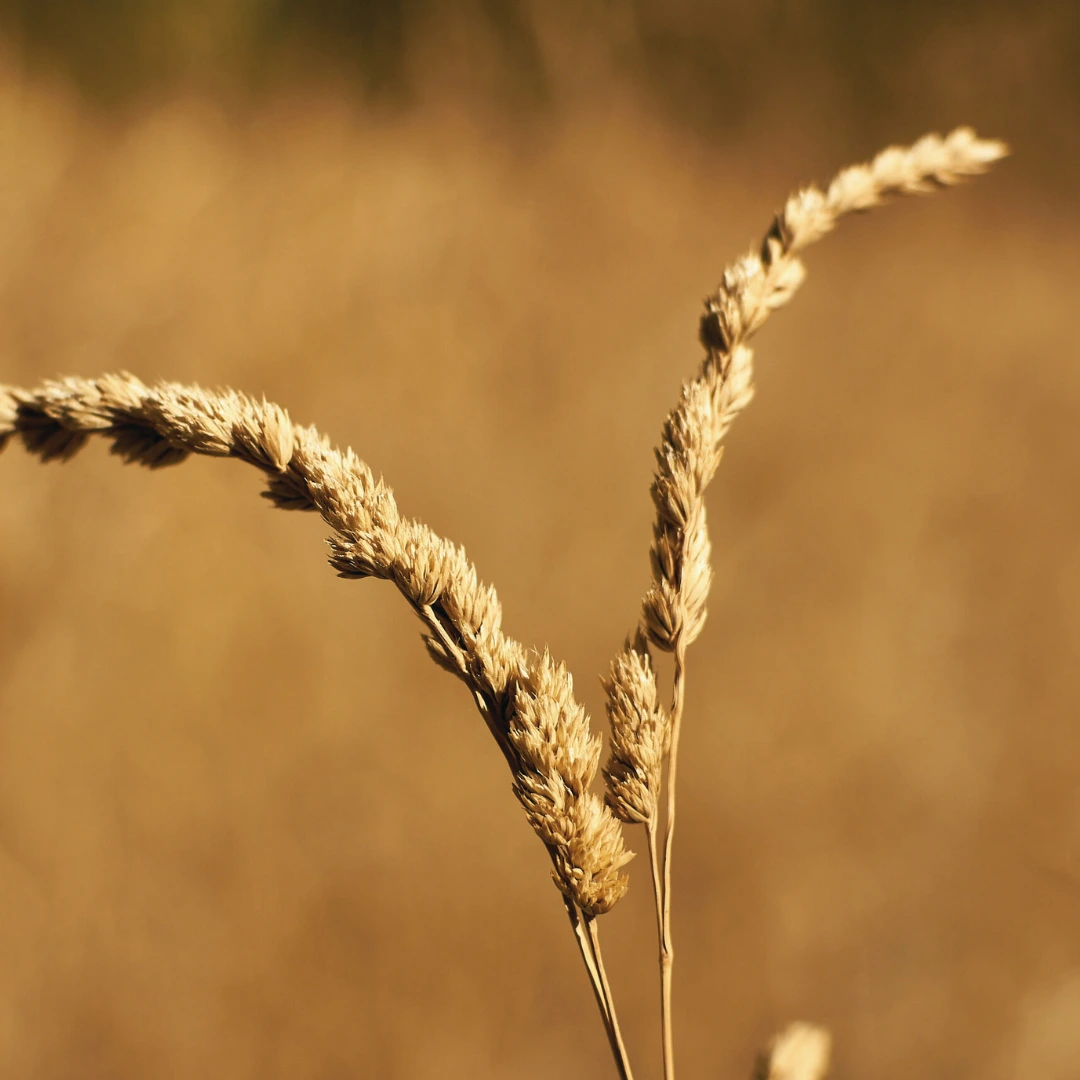
The color and intensity of buckwheat honey come directly from the buckwheat plant itself. Buckwheat isn't a grain despite its name: it's a flowering plant in the rhubarb family, grown as a cover crop and for its edible seeds. The nectar it produces is unusually high in minerals, particularly iron and manganese, and those minerals carry through into the honey. The result is a dark honey with a mineral backbone that lighter varietals simply don't have.
Where clover honey reads as clean, floral, and gently sweet, buckwheat honey reads as complex, robust, and almost savory. The first thing you taste is sweetness (it is still honey, after all) but it's followed almost immediately by a malty depth, a faintly bitter edge, and a lingering finish that some people describe as reminiscent of toffee or dark chocolate. There's nothing subtle about it. A spoonful of raw buckwheat honey announces itself in a way that makes most other honeys seem quiet by comparison.
The color ranges from dark amber to nearly opaque black, depending on the concentration of the nectar and how much other forage the bees mixed in alongside the buckwheat. A pure buckwheat pull (from hives placed directly adjacent to a buckwheat field during peak bloom) will be darker and more intense than a batch where buckwheat was the dominant but not exclusive source.
The Penn State cough study and what it means
Buckwheat honey has one of the more credible pieces of medical research backing a specific therapeutic use. A 2007 study conducted at Penn State College of Medicine compared buckwheat honey to dextromethorphan (the active ingredient in most over-the-counter cough suppressants) for suppressing nighttime coughs in children aged 2 to 18.
The results were notable. Children who received a single dose of buckwheat honey before bed experienced greater improvement in cough frequency, cough severity, and sleep quality than those who received dextromethorphan. Both the honey group and the medication group performed better than a no-treatment control group, but the honey group edged out the pharmaceutical: a finding that made national headlines and is still one of the most frequently cited studies in any discussion of honey's medicinal uses.
The study used specifically buckwheat honey, not honey in general, and the researchers attributed part of the effect to buckwheat honey's unusually high antioxidant content. Research has consistently shown that dark honey varietals contain significantly more antioxidants than lighter ones, and buckwheat sits at or near the top of that scale among commonly available American honeys. The antioxidant activity, combined with honey's natural ability to coat and soothe irritated mucous membranes, likely explains the cough-suppression effect.
A couple of important caveats. The study was relatively small, and honey of any kind should never be given to children under 12 months due to the risk of infant botulism. But for children over one year old and for adults, a spoonful of buckwheat honey for a cough is one of the few folk remedies with actual clinical data supporting it. Many pediatricians now recommend honey as a first-line approach for childhood coughs before reaching for the pharmacy shelf.
Where buckwheat honey comes from in the US
Buckwheat honey is a regional product with a limited production window, which is part of why it's harder to find than clover or wildflower and why it sells out quickly from the beekeepers who produce it.
Buckwheat is grown primarily in the Northeast and Upper Midwest: New York, Pennsylvania, Ohio, Minnesota, and Wisconsin are the main production states. It's planted as a cover crop or a rotation crop, often sown in June and blooming from mid-July through August. The bloom period is roughly three to four weeks, which gives beekeepers a narrow window to position their hives near buckwheat fields and harvest the resulting honey before the bees transition to other late-summer forage like goldenrod.
Because buckwheat is a cover crop rather than a primary cash crop, acreage varies year to year depending on what farmers decide to plant. A year with more buckwheat acreage means more buckwheat honey on the market. A year with less means scarcity. This variability, combined with the short bloom window, keeps buckwheat honey production modest and makes it a genuinely seasonal product: once the year's harvest is sold, there won't be more until next August. Find buckwheat honey producers near you.
How to use buckwheat honey
Buckwheat honey's intensity is its strength, but it does mean you can't use it interchangeably with milder honeys in every situation. In your tea, a spoonful of buckwheat will dominate: the malty flavor takes over in a way that clover or wildflower wouldn't. Some people love that. In black tea or chai, it works beautifully. In green or herbal tea, it tends to overwhelm.
Where buckwheat honey excels is in applications where its boldness is an asset. It's outstanding on dark bread (rye, pumpernickel, or a dense whole grain) and pairs naturally with strong cheeses, particularly aged cheddar and blue varieties where the intensity of the cheese matches the intensity of the honey. On oatmeal or yogurt, it adds a molasses-like richness that makes mild honey seem one-dimensional.
In baking, buckwheat honey adds color, moisture, and depth that works in gingerbread, dark chocolate brownies, molasses cookies, and banana bread. It's not the right choice for a delicate lemon cake, but in anything where you'd use brown sugar or molasses, buckwheat honey is a natural substitute that adds its own complexity.
For cough relief (the use backed by the Penn State research) the standard approach is a tablespoon of raw buckwheat honey taken straight or mixed into warm water with lemon. The thick consistency coats the throat effectively, and the flavor is pleasant enough that most adults and kids over one year old take it willingly. More on raw honey and what processing preserves.
Eaten straight off the spoon, buckwheat honey is an experience. It's the varietal that convinces people honey is a food with genuine depth, not just a sweetener. The complexity is layered: sweetness first, then malt, then minerals, then a slight bitterness that lingers. It rewards attention in a way that most lighter honeys don't demand.
Finding buckwheat honey and what to pay for it
Buckwheat honey is not a grocery store product in most of the country. You'll find it at farmers markets in the production regions (primarily the Northeast and Upper Midwest), from beekeepers who sell online, and occasionally at specialty food shops or co-ops that carry regional honeys.
At farmers markets, buckwheat honey typically sells for the same price as other raw local honey: $10 to $20 per pound depending on the region and the producer. Some beekeepers charge a slight premium because the harvest is limited, but it's not priced at the extreme levels of something like sourwood or tupelo. The value relative to its intensity and uniqueness is excellent.
When buying online, look for beekeepers in New York, Pennsylvania, Ohio, Minnesota, or Wisconsin who specifically list buckwheat as a varietal they produce. Check for seasonal availability notes: if a beekeeper harvested their buckwheat in August, the jars are typically available from late summer through whenever they sell out, which for popular producers can be as early as November or December. Browse local honey sellers by state.
If you can find a beekeeper who sells both buckwheat and a lighter varietal (spring wildflower or clover, for instance) buy both. Taste them side by side. The contrast is the single most effective way to understand what varietal honey means and why it matters. Two jars from the same producer, same hives, same bees, harvested months apart, tasting like completely different foods. That's what local honey is about, and buckwheat is the jar that makes the case most dramatically. Full guide to American honey varietals.