Reviews
What Customers Say
One of the best ways to evaluate a local honey producer is through the experiences of people who have already bought from them. Customer reviews reveal details that a product listing never will: how the honey tastes compared to store-bought, whether the beekeeper is friendly and knowledgeable, and whether people come back for more.
-
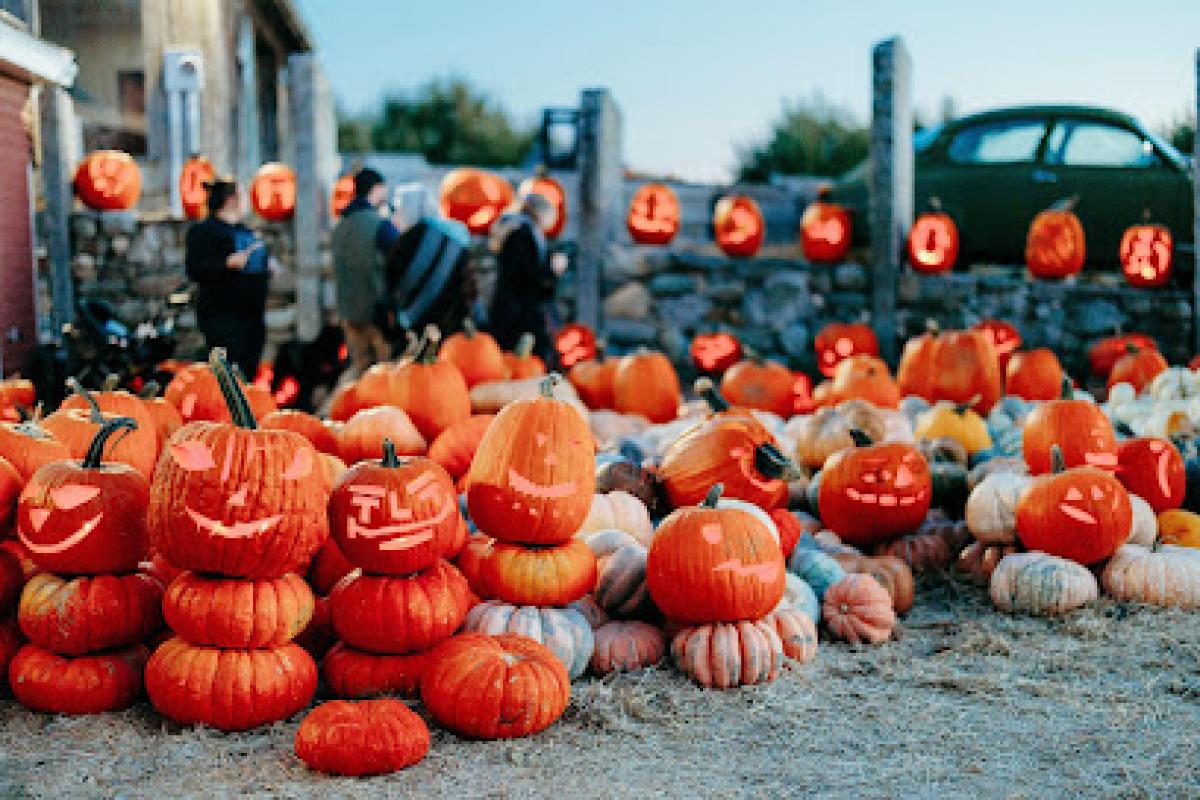
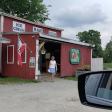
The on-site store at Lull Farm offers local honey items alongside maple syrup, baked goods, and a wide range of produce.
-
Visitors repeatedly praise the farm’s broad selection of heirloom apples, vegetables, dairy, and specialty groceries, indicating strong product variety and repeat visits.
-
Shoppers note repeat loyalty with frequent visits to the farm, reflecting a positive and welcoming shopping experience.
-
The farm’s friendly and knowledgeable staff enhance the on-site visit, making it easier for customers to shop and learn about the offerings.
About the Seller
About This Seller
Not every place that sells honey is the same. A backyard beekeeper managing a handful of hives produces a very different product than a grocery store stocking mass-market brands. Knowing the seller type helps you understand how close you are to the source. The closer you are, the fresher and more traceable the honey.
Local Honey Seller
We don't have confirmed details on what type of seller Lull Farm is. They may be a beekeeper, a farm, or a retail shop. If this matters to you, reaching out to them directly is the best way to find out.
Processing
Raw & Unfiltered Status
How honey is processed after harvest makes a significant difference in what ends up in the jar. Raw honey preserves the enzymes, pollen, and antioxidants that heat destroys. Unfiltered honey retains the fine particles of beeswax, propolis, and pollen that commercial filtering removes. Crystallization is actually a sign of raw, minimally processed honey, not a flaw.
We don't have confirmed information about whether Lull Farm sells raw or filtered honey. If the processing method matters to you, it's worth asking the seller directly. Most beekeepers and honey producers are happy to explain how they handle their harvest.
Varietals
Honey Varietals
Honey takes on the flavor, color, and aroma of whatever flowers the bees are foraging. A jar of pale, mild clover honey tastes nothing like dark, earthy buckwheat, even if both come from hives in the same county. Seasonal and regional variation is part of what makes local honey worth seeking out. No two batches are exactly alike.
Specific honey varietals for Lull Farm haven't been confirmed. Many local sellers in New Hampshire offer wildflower blends that reflect the seasonal bloom in their area. Contacting the seller is the best way to find out what's currently available.
Health
Local Honey & Allergies
One of the most common reasons people seek out local honey is the belief that it can help with seasonal allergies. Bees collect pollen from nearby plants, trace amounts end up in the honey, and regularly eating that honey may help your body build tolerance over time. For those interested in trying it, raw and unfiltered honey is preferred, since commercial processing removes most pollen content.
No reviewers have mentioned purchasing Lull Farm honey specifically for allergy reasons. That doesn't mean it wouldn't be suitable. If local pollen content matters to you, ask the seller about where their hives are located and how their honey is processed.
Visit
Can You Visit?
There's something about visiting a local honey producer in person that no online listing can replicate. Seeing the hives, meeting the beekeeper, tasting different varietals side by side - it gives you a connection to the product that a grocery shelf never will. Many farms and apiaries welcome visitors, offer tastings, and sell directly on-site, often at better prices than retail.
Open to visitors
Lull Farm welcomes visitors to their location in Hollis, New Hampshire. Whether you're stopping by their farm stand, touring the apiary, or simply picking up a jar, visiting in person is the best way to experience what they offer and ask the beekeeper your questions directly.
Purchasing
Where to Buy
Finding where to actually purchase local honey can be the hardest part of the process. Many producers sell through limited channels like weekend farmers markets, seasonal farm stands, or small online shops that may sell out between harvests. Direct purchases from the beekeeper, whether at a market, farm stand, or their own website, typically offer the freshest product.
Farm Stand
Retail Store
Lull Farm sells through Farm Stand and Retail Store.
Products
Products Available
A jar of liquid honey is just the starting point for many local producers. Beekeepers often offer a full range of hive-derived products: comb honey, creamed honey, infused varieties, beeswax candles, skincare products, pollen, and propolis. A diverse product range usually signals a knowledgeable, established operation.
We don't have confirmed details on the full product range at Lull Farm beyond honey. Many local producers in New Hampshire carry additional hive products. It's worth asking about comb honey, beeswax items, or other specialties when you make contact.
Hours
Opening Hours
-
Monday
7 am-7 pm
-
Tuesday
7 am-7 pm
-
Wednesday
7 am-7 pm
-
Thursday
7 am-7 pm
-
Friday
7 am-7 pm
-
Saturday
7 am-7 pm
-
Sunday
7 am-7 pm