What to Look for on a Honey Label (And What the Terms Actually Mean)
Most honey label terms aren't regulated. Here's what raw, pure, organic, unfiltered, and natural actually mean — and which ones you can trust.
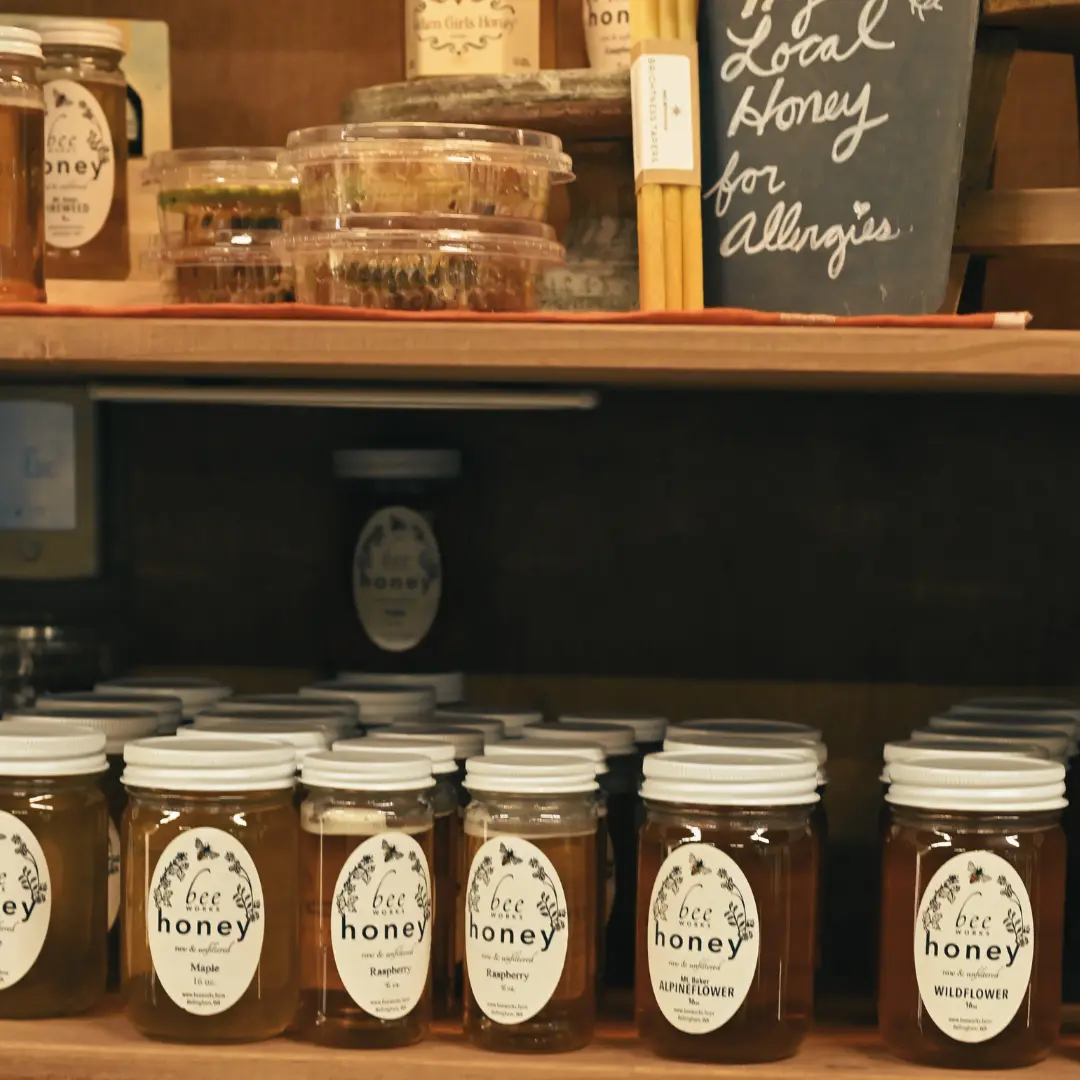
Honey labels are full of words that sound meaningful: raw, pure, natural, unfiltered, organic, real. Most consumers assume these terms are regulated, standardized, and verified. They are mostly not. The FDA does not have a federal standard of identity for honey, which means there's no legal definition of what honey must be or how it must be processed to carry that name. Most of the terms you see on honey jars are marketing language with no enforcement mechanism behind them. A producer can label their honey "pure" and "natural" regardless of how it was processed, where it came from, or what was done to it after harvest. Understanding which terms carry weight and which are decoration is the single most useful thing you can learn as a honey buyer.
What "raw" means on a honey label
Raw is the most meaningful term you'll find on a honey jar, and it's also unregulated. There's no federal definition of raw honey. No agency certifies it. No inspector verifies it.
Within the beekeeping community, raw honey means honey that has never been heated above the natural temperature of the hive: roughly 95°F to 118°F, depending on who draws the line. This matters because the enzymes, pollen, propolis, and other heat-sensitive compounds in honey begin breaking down above those temperatures. Commercial pasteurization heats honey to around 160°F, which destroys most of these compounds. Raw honey retains them.
Since there's no regulation, the word "raw" on a label is a trust-based claim. A small beekeeper selling at a farmers market who tells you the honey is raw is staking their personal reputation on it. A national brand printing "raw" on a bottle in a factory is making an unverified marketing claim. Both use the same word. They don't carry the same weight.
"Raw" on a label from a producer you know and can talk to is highly reliable. "Raw" on a label from a brand you've never heard of, with no producer information and no way to verify the claim, is worth less. More on what raw actually means and why it matters.
What "unfiltered" means and how it differs from "raw"
Unfiltered honey is honey that hasn't been pushed through fine filters designed to remove pollen, wax particles, and other microscopic matter. Like "raw," the term is not federally regulated.
Understanding what unfiltered honey means requires distinguishing between straining and filtering. All honey is strained after extraction: the beekeeper runs it through a coarse mesh to catch wax chunks, bee parts, and debris. That's basic processing and doesn't meaningfully alter the honey's composition. Filtering goes further, using pressure and fine mesh (sometimes at the micron level) to remove pollen, propolis particles, and air bubbles. Ultra-filtration removes essentially everything except the sugar and water, producing that crystal-clear, perfectly transparent honey you see in grocery stores.
Unfiltered honey retains its natural pollen and fine particles. That's significant because pollen is the only reliable way to trace honey's geographic origin, and because pollen itself contains vitamins, minerals, and amino acids. Ultra-filtered honey can't be traced and has lost those compounds.
Raw unfiltered honey (honey that's both unheated and unfiltered beyond a coarse strain) is what most local honey enthusiasts are looking for. When both "raw" and "unfiltered" appear together on a label, that's the strongest claim a producer can make about minimal processing. Find raw unfiltered honey from local producers near you.
What "pure" and "natural" actually tell you
Very little. These are the emptiest terms on a honey label.
"Pure honey" means the jar contains only honey: no added corn syrup, no rice syrup, no cane sugar, no water, no other sweeteners blended in. That sounds reassuring until you realize it's the absolute minimum standard. Pure honey can still be pasteurized, ultra-filtered, blended from multiple countries, and stripped of all its pollen. "Pure" tells you the honey hasn't been adulterated with non-honey ingredients. It tells you nothing about quality, processing, freshness, or origin.
"Natural" means even less. There's no FDA definition of "natural" for honey or for most other foods. It's a feel-good word with zero regulatory substance. A jar of honey that's been heated to 160°F, pressure-filtered, and blended from Argentine and Vietnamese sources can carry a "natural" label with no legal consequence.
If you see only "pure" and "natural" on a jar with no mention of "raw" or "unfiltered," you can assume the honey has been processed. Producers who don't heat or filter their honey have a strong incentive to say so, because those are the terms that command a premium. Absence of "raw" and "unfiltered" on a label is informative in itself.
What "organic" means and what it doesn't cover
USDA Organic is the one term on this list that's actually regulated, legally defined, and enforced through third-party certification. An organic honey label means a certifier has audited the operation and confirmed it meets USDA standards for organic production.
Those standards require that all forage within the bees' flight radius (approximately two to three miles from the hive) is certified organic and free of prohibited pesticides. The hives must be managed without synthetic chemical treatments. The beeswax used in the hive must be organic.
What organic doesn't address is processing. Certified organic honey can be pasteurized and filtered just like conventional honey. The organic seal tells you about the environment around the hive: it doesn't tell you whether the honey is raw, whether the pollen has been removed, or how recently it was harvested.
The other catch: because the foraging radius requirement is so difficult to meet in the continental US, most certified organic honey sold domestically is imported, primarily from Brazil. A local beekeeper who manages their hives without chemicals but can't control what their neighbors spray on their lawns will never qualify for organic certification. The label reflects the certification system's requirements, not necessarily which honey was produced with more care. Full breakdown of organic honey certification.
What "True Source Certified" and other certifications mean
True Source Certified is worth paying attention to. It's a third-party certification program specifically designed to combat honey fraud: the practice of laundering imported honey through intermediary countries, mislabeling origin, and blending cheap imports with domestic product.
A True Source Certified label means an independent auditor has traced the honey back through the supply chain to a verified origin. The producer, packer, and country of origin have all been documented and audited. It doesn't tell you about processing method (the honey could still be pasteurized and filtered) but it does tell you the honey came from where it says it came from. In a market where geographic fraud is rampant, that verification has real value.
Other certifications you might see include Non-GMO Project Verified (confirms the honey doesn't come from hives placed near genetically modified crops, though this is difficult to verify given how far bees fly) and various state-level certifications. Some states run programs that verify honey sold within their borders meets basic quality standards.
The term "local" is not defined or regulated
There is no legal definition of "local" when applied to honey. No distance threshold, no state requirement, no certification. A honey company can put a state outline on the label, name the product after a region, and use the word "local" even if the honey was produced hundreds of miles away or blended from multiple origins.
This matters because "local" is one of the most powerful purchase drivers in the honey market. Consumers pay significant premiums for honey they believe comes from their area. Producers know this, and some take advantage of the ambiguity. A brand called "Mountain Valley Honey" with a picture of Appalachian hills on the label might source its honey from Argentina. Without a federal standard, the imagery isn't illegal: it's just misleading.
The most reliable "local" claim comes from a producer who can tell you exactly where their hives are. A beekeeper who says "my hives are on my property in Franklin County, about eight miles from here" is giving you verifiable local honey. A brand that says "locally sourced" without specifying where is giving you a marketing phrase.
A practical framework for reading honey labels
The best honey to buy isn't identified by a single magic word on the label. It's identified by a combination of terms and context. Here's the hierarchy, roughly ordered by what tells you the most.
The most informative label includes the producer's name, location, and contact information alongside the words "raw" and "unfiltered." That gives you a real person in a real place producing minimally processed honey, with a way to ask questions and verify claims.
The next best is a label with "raw" and/or "unfiltered" from a brand you can research: a small producer with a website that describes their operation, shows their hives, and explains their process.
Below that is certified organic honey, which gives you verified environmental standards but tells you nothing about processing and is almost always imported. Below that is True Source Certified honey, which gives you verified origin but doesn't address processing.
At the bottom is a jar that says only "pure honey" or "natural honey" with no producer information, no processing details, and a label designed to look artisanal without committing to anything specific. That jar contains honey. Beyond that, you're guessing.
The simplest version of all of this: the less you know about who made the honey and how, the less the label words are worth. And the more you know about the person behind the jar, the less you need the label at all. Find local honey producers you can trust near you.
Frequently Asked Questions
- What does unfiltered honey mean?
- Unfiltered honey has not been pushed through fine filters that remove pollen, propolis, and other microscopic particles. It is only coarsely strained to remove wax and debris. This preserves natural pollen content, which gives honey its flavor complexity and allows geographic tracing of origin. The term is not federally regulated.
- What is the difference between raw and unfiltered honey?
- Raw honey has not been heated above natural hive temperature (roughly 95 to 118°F), preserving its enzymes and heat-sensitive compounds. Unfiltered honey has not been finely filtered, preserving its pollen and fine particles. The terms overlap but address different aspects of processing: raw refers to heat, unfiltered refers to filtration.
- Is pure honey the same as raw honey?
- No. Pure honey means the jar contains only honey with no added sweeteners. It says nothing about processing: pure honey can still be pasteurized and ultra-filtered. Raw honey has not been heated, which preserves its natural enzymes, pollen, and beneficial compounds. Raw is a much more meaningful term than pure.
- What honey labels can you trust?
- The most trustworthy labels include the producer's name and location, the words raw and unfiltered, and a way to contact the producer. USDA Organic and True Source Certified are the only third-party certifications with legal enforcement. Terms like pure, natural, and 100% honey are unregulated and tell you very little about quality or processing.
- What is the best honey to buy?
- The best honey to buy is raw, unfiltered honey from a local producer whose name, location, and practices you can verify. This gives you minimally processed honey with full enzyme and pollen content from a traceable source. If local is not available, look for raw unfiltered honey from a small producer with transparent sourcing.